Homemade Sauerkraut starts with a head of cabbage and walks you through the fermentation process to ready to eat kraut.

Homemade Sauerkraut
By Sue Lau | Palatable Pastime
Jump to Recipe
Homemade sauerkraut is my recipe of the day, which is all about making sauerkraut at home from scratch starting with green cabbage.
Print Recipe

Using a Fermenter to Make Homemade Sauerkraut
I use a Kilner fermentation jar to make my kraut. I do so because I like the airlock which helps things go smoothly.
There is a link to the box kit which includes all the things you need, including ceramic weights to keep your cabbage submerged.
The airlock is a nifty contraption. You can see it sticking out of the jar like a spike. What it does is allow air bubbles that the yeast create during the fermentation process escape the jar (so it doesn’t blow up) without letting crap into the jar.
The air goes up the little tube, bubbles out through the water and escapes. The traffic is one way as dirt and spores will not make it through the water.
The ceramic weights keep cabbage under the water so they are not exposed to air and spoilage.


Troubleshooting Homemade Sauerkraut
If there are “things” in your kraut, don’t panic.
First, determine what the “thing” is. In the picture below is white stuff called kahm yeast. This may or may not occur depending on conditions. It is white and slimy and you just spoon it off.
I can grow when the air is warmer or if the salt solution is not overly salty. I got kahm this time because I fermented in July. And even though I placed my jar in the cool basement, it would have liked more cool.
This can be avoided by increasing the salt. But. It’s not an issue provided your brine smells fine (like cabbage/kraut). If your brine smells vile (like hair perm or something really nasty) I’d ditch it and start over.

Mold in Homemade Sauerkraut
You shouldn’t have an issue with mold if you properly use the airlock with water in the cup halfway.
I have read that mold isn’t an issue, to just remove mold and any vegetables with mold on it. However, I am skittish about mold. It can affect the flavor. Cabbage is cheap so I will ditch a moldy batch.
I know it’s a disappointment. Early on, I had to ditch the very first batch of kraut I ever made years ago. That time, I did it in a beautiful antique crock. It was very clean. I’m not sure what went afoul there but it was foul, so I pitched it.
Mold is different from kahm yeast. Yeast is one thing- the beauty of bread, all that good stuff. Mold is just disgusting.
Fermenting in a Crock
Many people like doing their kraut in a crock. Just remember to keep the cabbage weighed down below the waterline. And don’t let the brine get dirty.
And don’t stir the cabbage. Leave it alone.
You can also consider brewers buckets. Those are food grade plastic and can be fitted with an airlock. Don’t use buckets that are not food grade. You can get them at brewer’s supply and winemaking shops.
How Cabbage Ferments
Yeast causes cabbage to ferment. Yeasties eat natural sugars and then *burp*. Same thing happens when people eat beans.
Over the course of a month the yeast will work on the ferment, and you can see their little bubbles rise. Ferment is done when the bubbles stop. At that point the sauerkraut gets refrigerated or canned. The longer you wait, the better the kraut gets.
To Refrigerate or Can
Sauerkraut can be water bath canned or refrigerated. The texture is more crisp with refrigeration, but if you are putting up a lot of kraut you obviously won’t have space in the fridge for all that.
This recipe will fill a half gallon jar so I keep that in the fridge, and start a new batch about a month out from when I need it. That can seem like a long time, but if you plan ahead it’s easy.
Preserving Summer’s Bounty
Enjoy More Recipes for Saving the Season
- Homemade Sauerkraut by Palatable Pastime
- How to Freeze Basil in Olive Oil by Savory Moments
- Indian Style Refrigerator Bread and Butter Pickle by Magical Ingredients
- Tart Cherry Preserves by A Day in the Life on the Farm
- Wild Pear Lemon Preserves by Food Lust People Love
Homemade Sauerkraut

You Might Also Like:
Pork and Sauerkraut in the Crock Pot
First, Pork and Sauerkraut in the Crock Pot is a very traditional (and some say lucky) way to go forward in the new year with a first meal.

Sauerkraut Cabbage Rolls (Slow Cooker)
Next, Sauerkraut Cabbage Rolls, made in a slow cooker, are styled after the cabbage rolls made at the Waynesville Ohio Sauerkraut Festival.

German Sauerkraut Balls
Then, German Sauerkraut Balls are crispy little croquettes stuffed with sauerkraut, potatoes and cheese. Great appetizer!

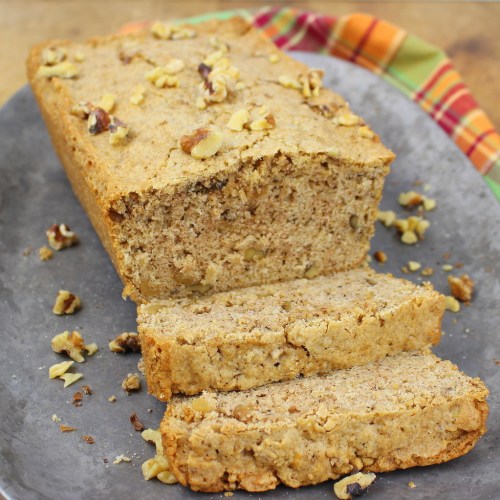
Sauerkraut Nut Bread
Also, there is delicious autumn tea bread with an astonishing secret: sauerkraut.
Burgers with Bacon-Sauerkraut Jam
Finally, Burgers with Bacon-Sauerkraut Jam add a delicious twist to bacon jam and are great any time, but especially suited for Oktoberfest.

Homemade Sauerkraut
Click stars in the recipe card to rate.

Homemade Sauerkraut
Equipment
- Kilner fermentation jar with accessories
Ingredients
- 5 pounds fresh green cabbage
- 3 heaping tablespoons pickling salt
Instructions
Prep:
- Remove outer leaves from cabbage, core, and shred thin; rinse cabbage with cold water and drain.
- Place drained cabbage in a large mixing bowl and toss with the salt.
- Muddle with a wooden meat tenderizer or mallet to release as much liquid as possible.
- Pack cabbage tightly into a clean fermentation jar leaving 2-1/2 inches of headspace.
- You should have enough liquid from the muddling to cover the cabbage. If not, top up with some extra brine (2 tablespoons pickling salt to one quart distilled water).
- Place ceramic weights or a plate on top of the cabbage to keep it totally submerged.
- Clean the rim of the jar from any cabbage bits sticking to it.
- Top the jar with the lid and insert the air lock and bung. Fill the air lock halfway with water to seal the airlock from air.
Ferment:
- Place the fermenter at room temperature between 70F-75F. Do not stir contents during fermentation. Skim off any yeast that occurs. There should not be any mold, but if it occurs, skim it out.
- At 70-75F, fermentation should complete in 3-4 weeks. At 60-65F it can take up to six weeks. At temps below 60F, fermentation may not occur. At temps above 75F cabbage will become very soft (not desired).
- During fermentation you will see air bubbles coming up and escaping through the airlock. This is expected, desired and fine. When the bubbles stop, fermentation is complete.
- At this point, you can either refrigerate or water bath can the kraut. Fridge kraut will be more crisp.
- Yield: Approximately one-half gallon.
Canning Tips
- To water bath can kraut, bring the kraut and brine to a full boil.
- Pack hot kraut into sterile canning jars leaving half inch headspace. Tap out bubbles and top with brine if needed.
- Secure with sterile lids and bands.
Process times:
- 0-1000 feet: 10 min. for pints, 15 min, for quarts
- 1001-6000 feet: 15 min/pints, 20 min/quarts
- above 6000 feet: 20 min./pints, 25 min./quarts
- Refrigerating any jars that the lids do not seal properly.
- For any additional canning instruction, please refer to a USDA canning guide or Ball Blue Book.
Notes
Don’t Forget to Pin and Save the Recipe!


Above all, join my recipe group on Facebook for more recipes from blogger friends around the world!
Palatable Recipes
or scan the code to join

Disclaimer: This post may contain affiliate links which offer sources for ingredients and equipment, if needed. You can click the links with no charge to you. If you do purchase anything during your visit it helps pay the electric bill here and keep the blog lights on! Thanks for your support.
I have a different but similar system that I use for fermenting. It makes life much easier, in my opionion. The one time I tried using a crock it was not a pretty sight. LOL. I admire that you keep a container in your refrigerator at all times.
Bill needs his kraut fix. LOL!
It’s been a while since I’ve done this, but I need to do it again! I love the flavor of homemade sauerkraut and this batch looks delicious and perfect.
What a delicious sauerkraut. I love sauerkraut but never attempted to make at home. Your recipe is now pushing me to try. This is a great recipe with essential info.
I can’t seem to find the link for the cleaner fermentation jars. Any help appreciate it just looks like it be fun to try. 👍🏼
I added in a text link. My other link disappeared.